Whether you are new to therapy or are continuing your therapy journey, finding a therapist can feel like a daunting task. If you or someone you know is experiencing OCD and looking for support, this article about understanding OCD can be a helpful place to start. In this article we will focus on questions you can ask your prospective OCD therapist during your free phone consultation or before your first session.
Why Asking Questions Helps You Find the Right Fit
Having a collaborative, trusting relationship with your therapist is the strongest predictor of how successful therapy will be for you. It's important that you feel safe, seen, and supported in therapy. It is perfectly normal, and encouraged, to interview multiple therapists in order to find the person who feels like the best fit for you.
7 Questions to Ask an OCD Therapist in Denver
What approaches do you use?
Asking about approaches a therapist uses can give you a greater sense for what therapy with them will look like. If you're not familiar with a particular approach, you can always ask for more information. You also don't need to be familiar with all the different therapy approaches, that is what your therapist is there to help you with!
Have you worked with clients who have OCD?
It's important to work with a therapist who has experience working with OCD, or is at least OCD-informed. Not all therapy approaches are created equal when it comes to OCD, and unfortunately some kinds of therapy can make OCD worse. The gold standard treatment for OCD is Exposure and Response Prevention (ERP), so it would be beneficial to work with a therapist who is trained in ERP or is familiar with the approach.
What does a first session look like?
Asking what a first session looks like can help you feel more prepared and informed as you start sessions with a new therapist.
How do you track progress?
You are carving out precious time and energy by engaging in therapy, and it's important to know that you are making meaningful progress towards your goals. Asking your therapist how they track progress can help you determine whether their approach is aligned with your goals.
What is your cancellation/rescheduling policy?
Every therapist will have their own cancellation and rescheduling policy, so it is a good idea to have this information before starting with a new provider.
Do you offer in person sessions, virtual sessions, or both?
Some people are looking for virtual sessions, some are looking for in person, and others prefer the flexibility of both. There is no right or wrong, but it is important to know what your therapist offers to determine whether they are a good fit for you.
How do you know when therapy is “working”?
It's important to know that you are making meaningful progress towards your goals, and OCD recovery is not always linear. Your therapist can help normalize this process, while also providing helpful information about what effective therapy and progress looks like.
H2: What to Listen for in Their Answers
In your conversation with a prospective OCD therapist, pay attention to how you feel in conversation with them. Notice if you feel seen and supported, and if you have clarity around what it would feel like to work with them.
As an OCD therapist in Denver who offers virtual sessions, I take an eclectic approach to treatment. I draw from Exposure and Response Prevention (ERP) therapy, which is the gold standard treatment for OCD, as well as Internal Family Systems (IFS)-informed therapy, which deepens self-understanding and self-compassion.
I regularly check in with clients to make sure they are progressing towards their goals, and make adjustments in treatment as needed. I also use measures like the Y-BOCS, which tracks OCD symptoms over time.
Conclusion
It is perfectly normal to feel nervous or uncertain as you seek out OCD treatment. You don't have to have everything figured out before connecting with a therapist. Please know that choosing a therapist is a very personal decision, and it is recommended to interview multiple therapists to see who you best connect with.
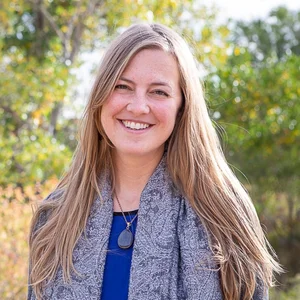
If you’re looking for OCD therapy in Denver or online, please feel free to reach out to Alison deLassus, LCSW to schedule a free consultation call and explore whether working together might be a good fit. Recovery from OCD is possible, and you don’t have to navigate it alone. You deserve compassionate support, understanding, and the opportunity to move toward the life you want.